
According to recent industry analysis, the global AC-DC power supply market is expected to exceed $32 billion in 2026, driven by EV infrastructure, IoT expansion, and industrial automation upgrades . This rapid growth is reshaping how engineers select power modules—and how suppliers position their products.
Why AC-DC Converters Are Becoming a Strategic Component
AC-DC converters are no longer passive components. In modern systems, they directly affect:
- System efficiency and energy consumption
- Thermal performance and product lifespan
- EMC compliance and safety certification
- Overall BOM cost and system footprint
With stricter global regulations (e.g., DoE Level VI), many legacy power solutions are being replaced by high-efficiency switching converters exceeding 90% efficiency .
For buyers, this means:
? Choosing the wrong power module today = higher lifecycle cost tomorrow
Key 2026 Trends Engineers Must Consider
1. High Power Density & Miniaturization
Modern applications demand more power in less space.
- Compact PCB layouts
- Reduced passive components
- Higher switching frequency designs
Wide-bandgap technologies like GaN and SiC are enabling smaller, lighter AC-DC converters without sacrificing performance .
? Procurement insight: Smaller modules reduce enclosure size and system cost.
2. Industrial Automation Driving Demand
Factories are rapidly adopting smart manufacturing and IoT systems.
- DIN rail systems
- PLC control cabinets
- Edge computing devices
These applications require stable, compact, and easy-to-install AC-DC modules, especially in limited cabinet space environments .
? Engineering focus: Reliability under continuous operation (24/7 load)
3. Energy Efficiency Is Now Mandatory
Rising energy costs + environmental regulations are forcing upgrades.
- Low no-load power consumption
- High conversion efficiency
- Reduced heat dissipation
Over 40% of industrial systems are currently upgrading power infrastructure to meet new standards .
? Buyer takeaway: Efficiency = long-term ROI, not just spec sheet data
4. Modular & Flexible Power Design
Modern systems require scalable architectures:
- Modular power supply integration
- Easy replacement & maintenance
- Multi-output compatibility
This trend is especially strong in telecom, data centers, and industrial control systems.
What Buyers Should Look for in an AC-DC Converter
When evaluating suppliers like Ferrite-based power solution manufacturers (e.g., Ferrtx), engineers and sourcing teams should prioritize:
✔ Electrical Performance
- Stable output voltage
- Low ripple & noise
- Wide input voltage range
✔ Safety & Compliance
- Isolation design
- UL / CE certifications
- Over-voltage / over-current protection
✔ Mechanical Design
- Compact size
- Easy PCB mounting or modular integration
- Thermal optimization
✔ Cost Efficiency
- Competitive pricing vs performance
- Reduced system-level cost (cooling, enclosure, maintenance)
Application Scenarios Driving Demand
AC-DC converters are widely used across:
- Industrial automation systems
- Smart home and IoT devices
- Telecom and 5G infrastructure
- Medical equipment
- EV charging and energy systems
The expansion of 5G alone is creating massive demand for high-reliability power modules with near 100% uptime requirements .
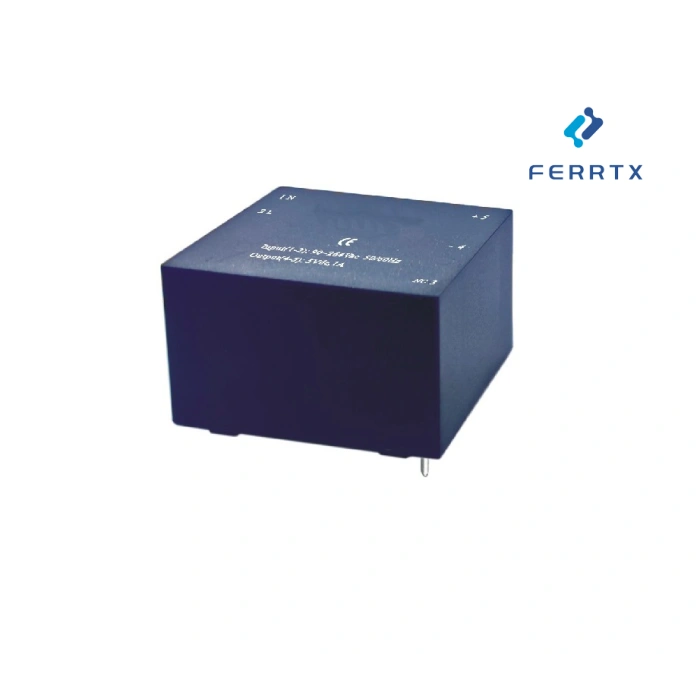
FERRTX AC-DC Converter: Designed for Modern Power Needs
Based on current industry requirements, Ferrtx AC-DC converters are positioned to meet:
- Compact structure → ideal for space-constrained applications
- High efficiency design → reduces energy loss and heat
- Stable and reliable output → suitable for industrial environments
- Flexible application compatibility → supports multiple system designs
These features align directly with the evolving expectations of both engineers and procurement teams in 2026.
Conclusion: From “Component” to “Performance Driver”
AC-DC converters are no longer a low-priority item in system design.
In 2026, they are:
? A performance bottleneck if chosen poorly
? A competitive advantage if chosen correctly
For buyers and engineers, the key is clear:
Focus on efficiency, reliability, and integration—not just price.
