

The EMI Challenge in Modern Power Circuits

Electromagnetic interference isn't just an annoyance—it can cripple your device's performance and cause regulatory nightmares. As switching frequencies continue to increase in modern power supplies, managing EMI has become more critical than ever. Traditional solutions often involve adding extra filters and shielding, but what if the solution started with your inductor selection?
The truth is, your choice of power inductor can make or break your EMI performance. Standard off-the-shelf components might get the job done, but they often leave engineers compromising somewhere else—whether in size, efficiency, or thermal management.
Why Magnetically Shielded Inductors Are Game-Changers
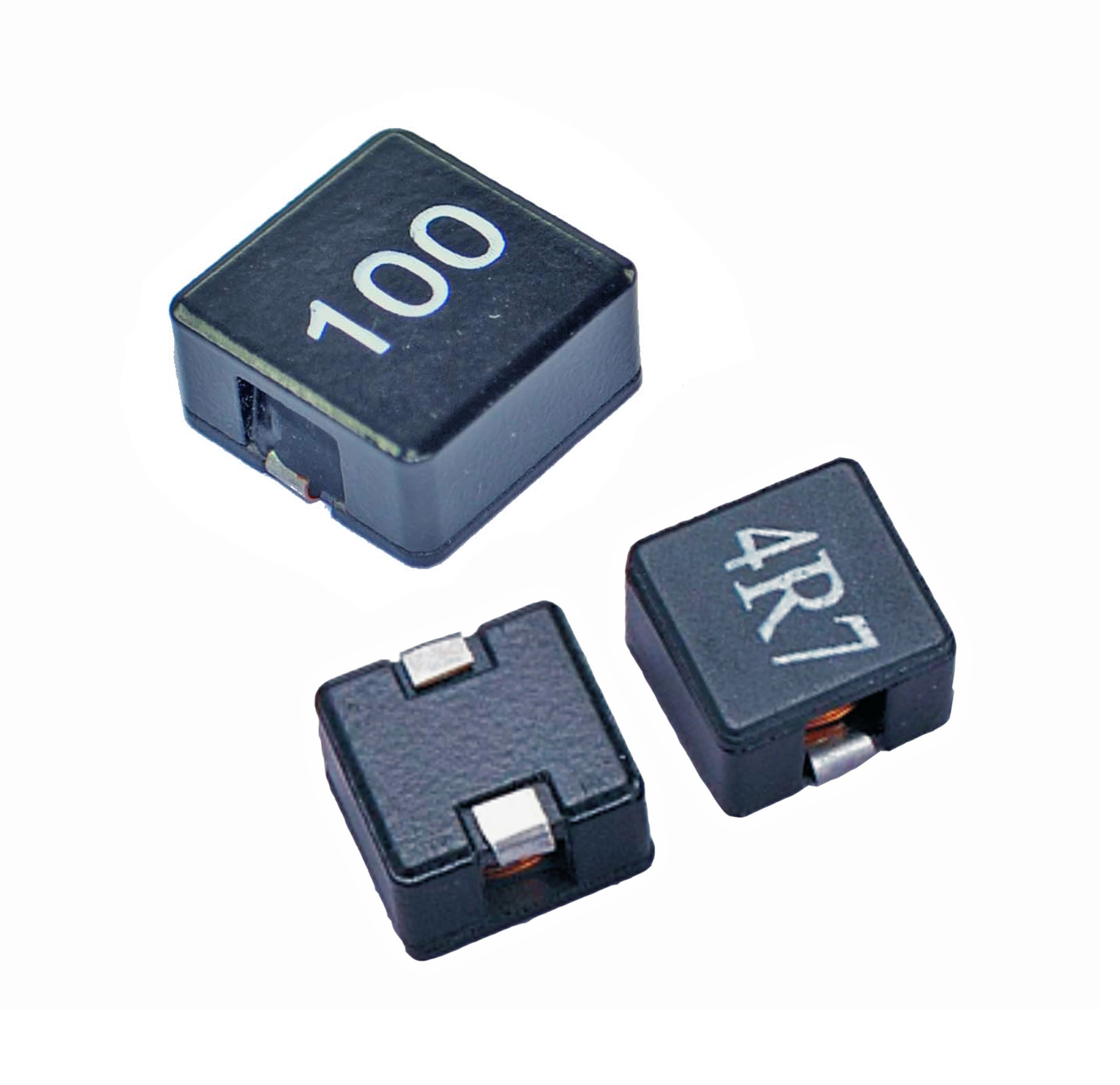
Here's where magnetically shielded inductors enter the conversation. Unlike their unshielded counterparts, these components contain the magnetic field, significantly reducing radiated emissions. This isn't just a minor improvement—we're talking about 10-15 dBµV reduction in some cases. That's the difference between passing and failing EMI compliance tests.
But shielding isn't the only factor. The construction method matters tremendously. Have you considered how flat wire technology can enhance your power supply performance?
The Flat Wire Advantage: More Than Just Hype
Flat wire construction in SMD power inductors isn't just another marketing buzzword. It represents a fundamental improvement in how we handle high current applications. By using rectangular wire instead of traditional round wire, manufacturers can achieve higher packing density and better thermal performance.
This translates to inductors that can handle impressive current levels—up to 40A or more—while maintaining surprisingly low DCR values. For context, we're talking about DCR values as low as 1.4mΩ for a 1µH inductor. That's efficiency you can feel in reduced thermal management challenges and improved battery life in portable devices.
Selecting Your Power Inductor: Beyond the Data Sheet
So how do you actually select the right component? The process goes far beyond just matching inductance and current ratings. You need to consider:
- Saturation current vs. temperature rise current - which one really limits your design?
- DC bias characteristics - how much does your inductance drop under actual operating conditions?
- Frequency behavior - does your inductor maintain its performance at your switching frequency?
- Thermal considerations - how will your inductor behave in your actual layout with your airflow?
The reality is that many engineers discover these nuances too late—after they've already built prototypes and encountered issues. What if you could avoid that costly iteration cycle?
When Standard Solutions Aren't Enough: The Custom Approach
Sometimes, despite the vast array of available components, nothing quite fits your specific requirements. This is where custom inductor design becomes not just an option, but a necessity. Whether you need unusual form factors, specific terminal arrangements, or optimized performance for a particular operating point, custom designs can provide solutions that off-the-shelf components cannot.
But here's the question: how do you know when you need a custom solution versus when a standard component might work with some design adjustments?
The Solution You Might Be Overlooking
At this point, you might be wondering if there's a component that addresses these challenges without breaking the bank or requiring custom design. What if you could get:
- High current capability (up to 40A) for demanding applications
- Low DCR for improved efficiency and thermal performance
- Magnetically shielded construction for reduced EMI
- Flat wire technology for better packing density and thermal characteristics
- Standard packaging with 800pcs/reel for production efficiency
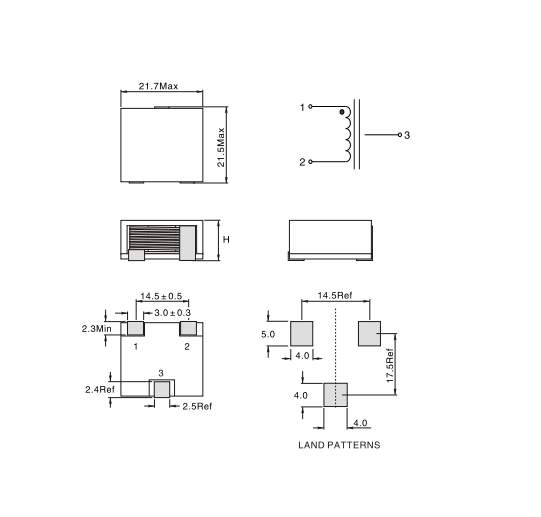
This isn't a hypothetical scenario. Our LPA2110 series SMD inductors were specifically engineered to address these exact challenges. With current ratings up to 40A, DCR as low as 1.4mΩ, and magnetically shielded construction, they represent the kind of performance that many engineers assume would require custom components.
The surprising truth is that sometimes the right off-the-shelf component can eliminate months of design iterations and custom component development. The key is knowing what's available and how to properly evaluate it against your requirements.
Your Next Step
The next time you're selecting power components, ask yourself: could my EMI challenges be solved by a better inductor choice? Would low DCR provide meaningful efficiency improvements in my application? Is there a standard component that meets my needs without custom design costs and delays?
We've helped numerous engineers solve their trickiest power design challenges with our range of high-performance inductors. Whether you need the LPA2110 for its impressive current handling or require a custom solution for unique applications, we have the expertise to help.
Reach out to discuss your specific requirements: sales@ferrtx.com
Maybe the component you've been looking for has been here all along.
