
The Case for Shielded Inductors in Automotive Electronics
Modern vehicles are packed with sophisticated electronics—from advanced driver assistance systems (ADAS) and infotainment systems to powertrain control modules and LED lighting. These systems operate in close proximity, often in harsh environments with extreme temperatures, vibrations, and electromagnetic interference (EMI).
This is where shielded inductors prove their worth. Unlike unshielded variants, shielded inductors, often featuring a ferrite core and ferrite shield, contain the magnetic field, minimizing electromagnetic radiation. This containment is crucial for:
- Preventing EMI: Shielding reduces noise that can interfere with sensitive automotive circuits (e.g., sensors, communication buses), ensuring system reliability and compliance with stringent automotive EMC standards.
- Enabling Miniaturization: As electronic control units (ECUs) shrink, components must be packed densely. Shielded designs prevent crosstalk in these compact spaces, allowing for higher component density without performance compromises.
- Improving Reliability in Harsh Environments: The automotive environment is unforgiving. Shielded constructions often contribute to better mechanical robustness and protection against contaminants.
For automotive power converters, such as DC-DC converters powering ADAS or infotainment systems, using a shielded inductor is not just an option; it's often a necessity for stable, noise-free operation.
Decoding DCR: The Silent Influencer of Inductor Performance
While inductance (L) often gets the spotlight, DCR is a critical parameter that directly impacts system efficiency, thermal performance, and overall reliability. DCR represents the inherent resistance of the wire used in the inductor's winding.
So, how does DCR affect automotive inductor performance?
- Power Loss and Efficiency: Power loss in an inductor is calculated as I²R, where 'I' is the DC current and 'R' is the DCR. A lower DCR means reduced conduction losses, leading to higher efficiency. This is vital in electric vehicles (EVs) and hybrid vehicles (HEVs) where maximizing battery life and range is critical.
- Thermal Management: The I²R losses manifest as heat. Excessive heat can raise the inductor's temperature, potentially degrading its performance, affecting nearby components, and jeopardizing system reliability. Inductors with low DCR generate less heat, simplifying thermal management challenges—a key advantage in under-hood applications where ambient temperatures can be high.
- Current Handling: A lower DCR often allows for a higher rated current (IDC) for a given size, as less energy is wasted as heat. This makes high current inductors with low DCR ideal for demanding applications like motor drives, electric power steering (EPS), and battery management systems (BMS).
When selecting a power inductor for automotive converters, prioritizing low DCR is synonymous with designing for efficiency and thermal stability.
The Importance of SRF in Power Inductors
The Self-Resonant Frequency (SRF) is another crucial but sometimes overlooked specification. An inductor acts like an inductor only below its SRF; above it, parasitic capacitance dominates, and it behaves like a capacitor.
The importance of SRF in power inductors lies in:
- Avoiding Noise and Instability: Switching frequencies of modern DC-DC converters are increasing. If the operating frequency approaches the inductor's SRF, it can lead to unexpected behavior, increased noise, and instability in the power supply.
- Ensuring Expected Inductance: The inductor provides its nominal inductance value only well below its SRF. Designers must choose an inductor whose SRF is significantly higher than the operating frequency of their circuit.
How to Choose the Right Automotive Power Inductor
Selecting the appropriate inductor involves balancing multiple factors beyond just inductance value:
- Current Requirements: Consider both RMS current and saturation current (Isat). The inductor must handle the RMS current without overheating (influenced by DCR) and the peak current without saturating (which causes a sharp drop in inductance).
- Shielding: For noise-sensitive automotive environments, shielded construction is typically recommended.
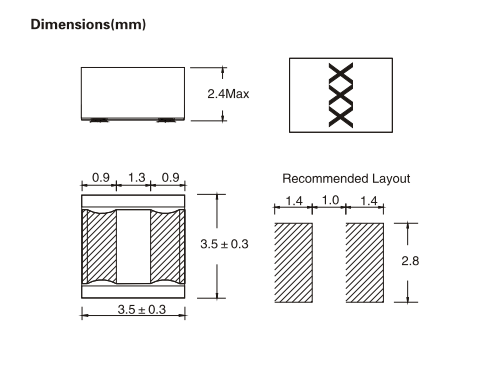
- Size and Profile: Board space is limited. Compact SMD inductors with low profiles are often necessary.
- Environmental Robustness: Look for components rated for the required operating temperature range (often -55°C to +150°C or higher for automotive) and compliant with AEC-Q200 standards, ensuring reliability under automotive stress conditions.
- Core Material: Ferrite cores offer high inductance but can saturate faster. Alloy powder cores offer soft saturation characteristics, beneficial for handling high peak currents without sudden failure.
A thoughtful comparison of automotive SMD inductors considering these parameters is essential for optimal design.
Finding the Perfect Match: High Performance Meets Reliability
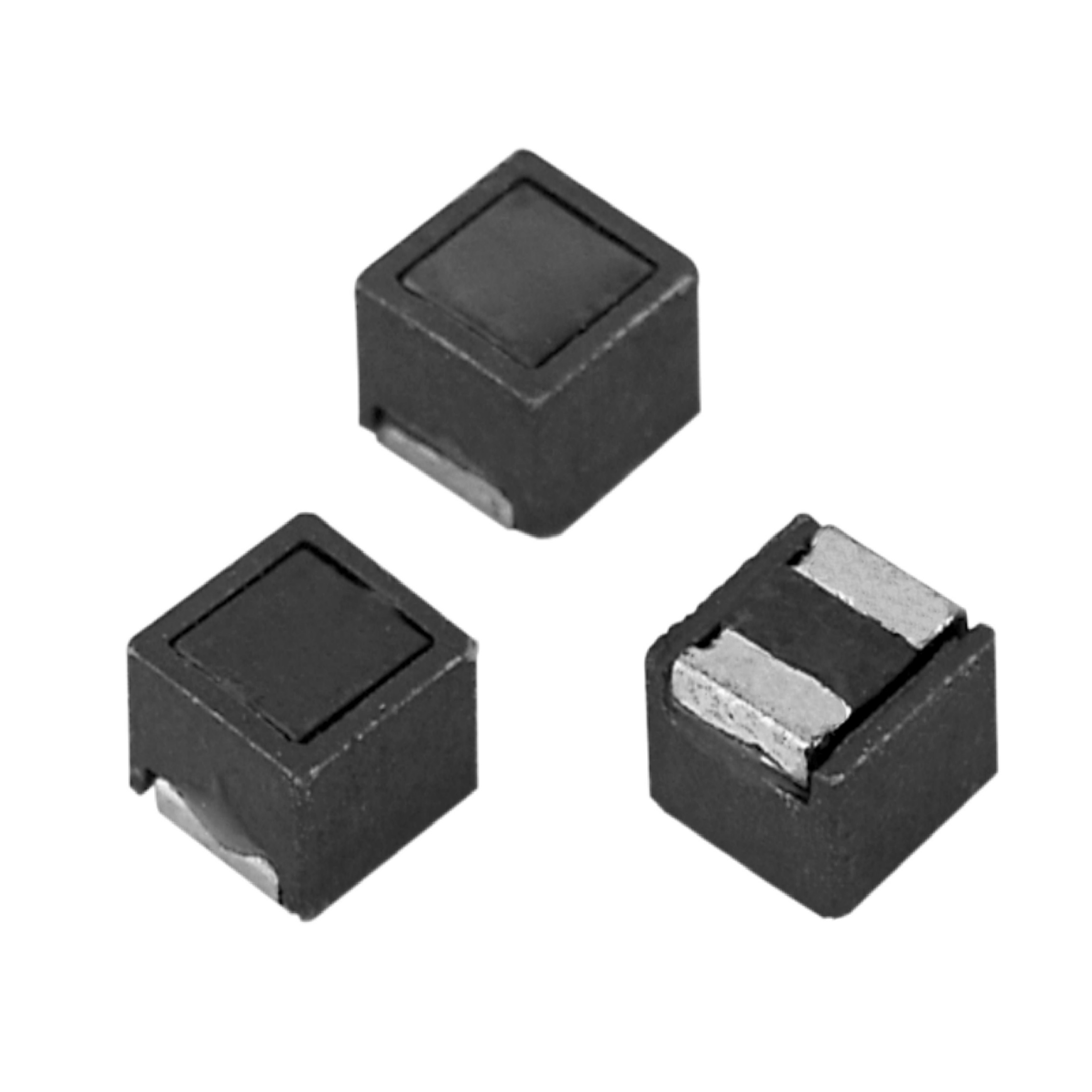
In the quest for high current power inductors that deliver low DCR, high efficiency, and exceptional reliability in demanding automotive applications, the LQH-S series from Ferrotrex stands out.
Our wire-wound automotive inductors are engineered with a ferrite shielded structure, providing excellent noise suppression crucial for sensitive automotive electronics. They boast lower DCR, permitting higher DC current handling (IDC), and exhibit excellent thermal stability across a wide operating temperature range.
Whether your design is for ADAS, infotainment, powertrain systems, or body electronics, our components offer the reliability and performance you need. They are RoHS compliant and available in standard inductance values.
Struggling to find the right inductor that balances size, performance, and cost for your next automotive project? Let our engineering expertise help you make the optimal choice.
Contact us today at sales@ferrtx.com to discuss your requirements or request samples. Let's power the future of automotive technology together.
